Showing posts with label Monastery. Show all posts

Transrarau road

Transrarau road, also named the road of treasures, crosses the Rarau mountains and connects the villages Chiril (on the southern side) and Pojorata (on the northern side).

Tourists drive on this road usually to visit Pietrele Doamnei, a natural reservation of national interest from Suceava County. Another point of interest on Transrarau is Rarau Monastery – an Orthodox monastery built in 1538 by the ruler Petru Rares. The road spreads over about 27 km that can be traversed in approximately 45 minutes. The maximum altitude which you can reach on this route is of 1400 meters.

 Bucovina, Pojorata, Pietrele Doamnei, Monastery, Rarau Monastery, Orthodox, Suceava, Romania,

 Bucovina, Pojorata, Pietrele Doamnei, Monastery, Rarau Monastery, Orthodox, Suceava, Romania,

Transrarau, Bucovina, Pojorata, Pietrele Doamnei, Monastery, , Orthodox, Suceava, Romania,

Transrarau, Bucovina, Pojorata,  Monastery, Rarau Monastery, Orthodox, Suceava, Romania,

Transrarau, Bucovina,  Pietrele Doamnei, Monastery, Rarau Monastery, Orthodox, Suceava, Romania,

Transrarau,Pojorata, Pietrele Doamnei, Monastery, Rarau Monastery, Orthodox, Suceava, Romania,

Pojorata, Pietrele Doamnei, Monastery, Rarau Monastery, Orthodox, Suceava, Romania,

Bucovina, Pojorata, Pietrele Doamnei, Monastery, Rarau Monastery, Orthodox, Suceava, Romania,

, Bucovina, Pojorata, Pietrele Doamnei, Monastery, Rarau Monastery, Orthodox, Suceava, Romania,

Dragomirna Monastery


Placed among the beautiful hills of Bucovina, at 12 km West from the old residence of Steven the Great and the Bishops of Moldavia, the Dragomirna monastery stands tall defying time, inside the fortress walls. 
Built as to face the heights, in a search for light from among the forest, shadowed by a curtain of fir trees and majestically reflected by the lake nearby, this place of prayer, through its ancientness, through the originality of its style, through the its elegant and solid shape, through the picturesque awakens the admiration of each visitor, so that in its presence the pilgrim is as impressed as is the historian or the art critic.

Besides the beauty of the landscape, the unusual location, what leaves an unforgettable impression is the peculiar elegance of the monument, withholding geometrical rigors of great taste, an unique stature through its proportions and lengths, exceeding all of the other Moldavian medieval monuments.

Bucovina, Church, Dragomirna Monastery, Moldova, Monastery, Orthodox, Romania, Suceava,

Bucovina, Church, Dragomirna Monastery, Moldova, Monastery, Orthodox, Romania, Suceava,

Bucovina, Church, Dragomirna Monastery, Moldova, Monastery, Orthodox, Romania, Suceava,

Bucovina, Church, Dragomirna Monastery, Moldova, Monastery, Orthodox, Romania, Suceava,

Bucovina, Church, Dragomirna Monastery, Moldova, Monastery, Orthodox, Romania, Suceava,

Bucovina, Church, Dragomirna Monastery, Moldova, Monastery, Orthodox, Romania, Suceava,

Bucovina, Church, Dragomirna Monastery, Moldova, Monastery, Orthodox, Romania, Suceava,

Bucovina, Church, Dragomirna Monastery, Moldova, Monastery, Orthodox, Romania, Suceava,

Bucovina, Church, Dragomirna Monastery, Moldova, Monastery, Orthodox, Romania, Suceava,

Bucovina, Church, Dragomirna Monastery, Moldova, Monastery, Orthodox, Romania, Suceava,

Bucovina, Church, Dragomirna Monastery, Moldova, Monastery, Orthodox, Romania, Suceava,


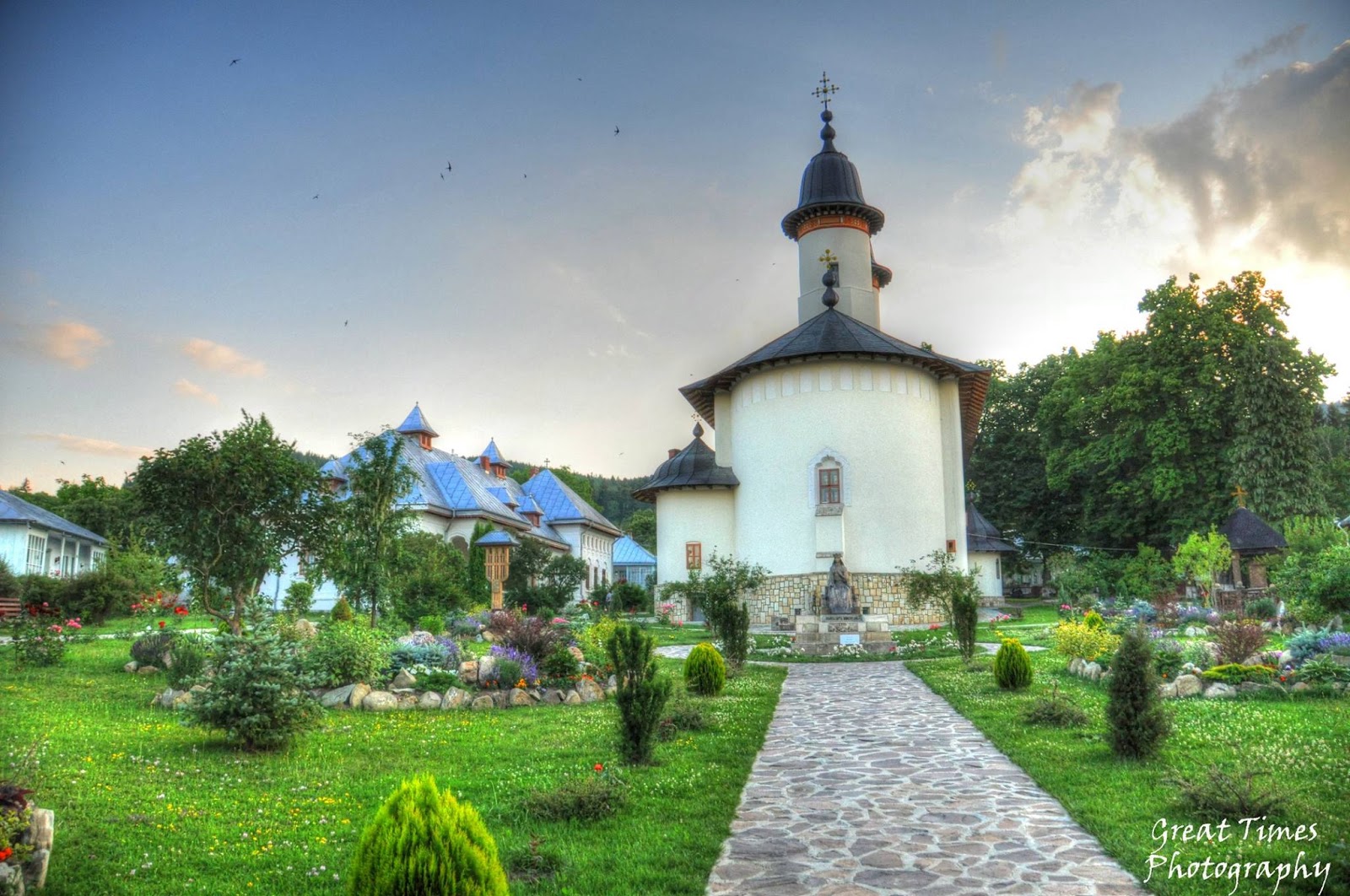
Varatec Monastery


Varatec, Monastery, Church, Landscapes, Moldova, Neamt County, Orthodox, Veronica Micle, Mihai Eminescu, Romania

Varatec monastery is located in Agapia commune, at 12 km to Targu Neamt and 40 km to Piatra Neamt in a small valley at the foot of Stanisoara mountain , at an altitude of 460 m.

Mother Olimpiada was a nun from the former Topolita Hermitage and between 1781 and 1785 settles in this place and creates the foundation for a monastic settlement in the plane called Varatec.
The construction was finished in the year 1812. In the year 1821 Varatec Monastery was plundered and the nuns killed. Mother Olimpiada hardly make it alive and retreat at the Secu Monastery.

The church combines elements of the old Moldavian style of the 15th and 16th centuries with foreign influences of the end of the 18th and the beginning of the 19th century. The church is rectangular, with a single apse at the east end. The two lateral apses of the naos are carved out of the thickness of the wall, and do not show on the exterior.

The grave of poetess Veronica Micle, Mihai Eminescu’s great love, lies within the monastery walls. She committed suicide on August 1889, two months after Eminescu’s death. The monastery has a museum that hosts many valuable religious objects and books mostly made by the nuns. Apart from museum, Varatec has studios for carpet waving, embrodery and icon painting.

Varatec, Monastery, Church, Landscapes, Moldova, Neamt County, Orthodox, Veronica Micle, Mihai Eminescu, Romania

Varatec Monastery, Monastery, Church, Landscapes, Moldova, Neamt County, Orthodox, Veronica Micle, Mihai Eminescu, Romania

Varatec, Monastery, Church, Landscapes, Moldova, Neamt County, Orthodox, Veronica Micle, Mihai Eminescu, Romania

Varatec Monastery, Monastery, Church, Landscapes, Moldova, Neamt County, Orthodox, Veronica Micle, Mihai Eminescu, Romania

Varatec Monastery, Monastery, Church, Landscapes, Moldova, Neamt County, Orthodox, Veronica Micle, Mihai Eminescu, Romania

Varatec Monastery, Monastery, Church, Landscapes, Moldova, Neamt County, Orthodox, Veronica Micle, Mihai Eminescu, Romania

Varatec, Monastery, Church, Landscapes, Moldova, Neamt County, Orthodox, Veronica Micle, Mihai Eminescu, Romania

Varatec Monastery, Monastery, Church, Landscapes, Moldova, Neamt County, Orthodox, Veronica Micle, Mihai Eminescu, Romania

Agapia Monastery


Agapia Monastery, Agapia, Church, Holy Cross, Landscapes, Monastery, Neamt County, Orthodox, Romania, Moldova, Nicolae Grigorescu

Agapia Monastery is located at 9 km far from Targu Neamt and 43 km from Piatra Neamt.
The monastery is famous around the world due to its interior frescoes painted in 1858 by the great Romanian painter Nicolae Grigorescu (one of the founders of modern Romanian painting).

The name of the monastery comes from a monk named Agapie who founded a wooden church long time ago. 
The architectural complex is formed by 2 buildings: Old Agapia Hermitage, on the hill and Agapia Monastery,
The Agapia Monastery complex is a true architectural jewel, combining the characteristics of the Byzantine style with Neoclassic and Romanian style. The monastery's museum has a collection of medieval art, religious objects and a library with old books and manuscripts.

Attracted by the beauty of the landscape and the surrounding sights, as well as by the peacefulness of the spiritual life of the holy establishment, many writes and cultural personalities visited this monastery particularly in the summertime. It was here that they could rest and work in peace, far from the maddening crowd. Today, it is one of the largest monasteries of nuns in Romania.

Agapia Monastery, Agapia, Church, Holy Cross, Landscapes, Monastery, Neamt County, Orthodox, Romania, Moldova, Nicolae Grigorescu
  
Agapia, Church, Holy Cross, Landscapes, Monastery, Neamt County, Orthodox, Romania, Moldova, Nicolae Grigorescu

Agapia Monastery, Church, Holy Cross, Landscapes, Monastery, Neamt County, Orthodox, Romania, Moldova, Nicolae Grigorescu

Agapia, Church, Holy Cross, Landscapes, Monastery, Neamt County, Orthodox, Romania, Moldova, Nicolae Grigorescu

Agapia, Church, Holy Cross, Landscapes, Monastery, Neamt County, Orthodox, Romania, Moldova, Nicolae Grigorescu

Agapia, Church, Holy Cross, Landscapes, Monastery, Neamt County, Orthodox, Romania, Moldova, Nicolae Grigorescu

Agapia, Church, Holy Cross, Landscapes, Monastery, Neamt County, Orthodox, Romania, Moldova, Nicolae Grigorescu


Humor Monastery


Humor Monastery, Gura Humorului, Bucovina, Church, Monastery, Landscapes, Orthodox, Romania, Suceava,


Founded by Chancellor Theodor Bubuiog under Moldavian Prince Petru Rareş, Humor Monastery, built in 1530, is surrounded by ramparts, with a three-level brick-and-wood lookout tower. Ascend it for views from the lookout deck. The narrow walls enclosing the last stretch of stairway were designed so that defending soldiers could kill off attacking Turks one by one.

Specific to the Church of Humor Monastery is the painting arrangement. The innovation appears at the porch, which is open in four arches in broken arch.

Along with Voronet, Moldovita, Sucevita and Arbore, Humor Monastery is among the five foundations decorated both inside and outside with Byzantine frescoes, which make them unique in the Orthodox world. In fact, the exterior fresco of Humor monastery is painted by Toma Zugravul in 1535, and opens the series of other churches with exterior painting in Moldova.

Humor Monastery, Gura Humorului, Bucovina, Church, Monastery, Landscapes, Orthodox, Romania, Suceava,

Humor Monastery, Gura Humorului, Bucovina, Church, Monastery, Landscapes, Orthodox, Romania, Suceava,

Humor Monastery, Gura Humorului, Bucovina, Church, Monastery, Landscapes, Orthodox, Romania, Suceava,

Humor Monastery, Gura Humorului, Bucovina, Church, Monastery, Landscapes, Orthodox, Romania, Suceava,

Humor Monastery, Gura Humorului, Bucovina, Church, Monastery, Landscapes, Orthodox, Romania, Suceava,

Humor Monastery, Gura Humorului, Bucovina, Church, Monastery, Landscapes, Orthodox, Romania, Suceava,


Moldovita Monastery


Moldovita Monastery , Bucovina, Monastery, Orthodox, Romania, Suceava

The Moldovita Monastery is a Romanian Orthodox monastery situated in the commune of Vatra Moldovitei, Bucovina, Romania.

One of the oldest monastic settlements in the region (Bucovina), the actual church of  Moldovita Monastery was built in 1532. The structure has enhanced dimensions and it is notably taller than some of the other churches of the region, while the frescoes – both inside and outside on the Southern wall – feature strikingly bright colours and show saint figures and Biblical scenes with a profound human approach.

The Moldovita painting displays certain common characteristics with the Humor one, which led to the hypothesis that they were achieved by the same artists, Toma of Suceava. Often called,’A Parchment in Red’, the exterior colors are mainly yellow ochre combined with brilliant hues of red, blue and green. On the right side of the nave, there is a mural painting of Petru Rares and his family, presenting the monastery to Jesus. Moldovita’s frescoes along with the ones at Voronet, have best preserved their colors which are astonishingly fresh and vivid.

The second (after Humor) and the last church with open porch, hidden place above the burial-vault, recesses in the apses and niches under the cornice, elements specific to the monuments of Stephen the Great’s period. The Gothic style windows and doors have pointed arched frames, trefoil rosettes, and the carved stone plinth represents a resting place. The plan of the building is trefoiled, the narthex vault is supported by eight arches instead of four.

Moldovita Monastery , Bucovina, Monastery, Orthodox, Romania, Suceava

Moldovita Monastery , Bucovina, Monastery, Orthodox, Romania, Suceava

Moldovita Monastery, Bucovina, Monastery, Orthodox, Romania, Suceava

Moldovita Monastery, Bucovina, Monastery, Orthodox, Romania, Suceava

Moldovita Monastery, Bucovina, Monastery, Orthodox, Romania, Suceava

Moldovita Monastery, Bucovina, Monastery, Orthodox, Romania, Suceava

Moldovita Monastery, Bucovina, Monastery, Orthodox, Romania, Suceava

Moldovita Monastery, Bucovina, Monastery, Orthodox, Romania, Suceava

Moldovita Monastery, Bucovina, Monastery, Orthodox, Romania, Suceava

Featured Post

Sihastria Monastery

Sihastria Monastery is located in the north part of Neamt County, at 22 km of Targu Neamt, on the road that goes toPipirig and Vatra Dorn...